

Category Oxygen
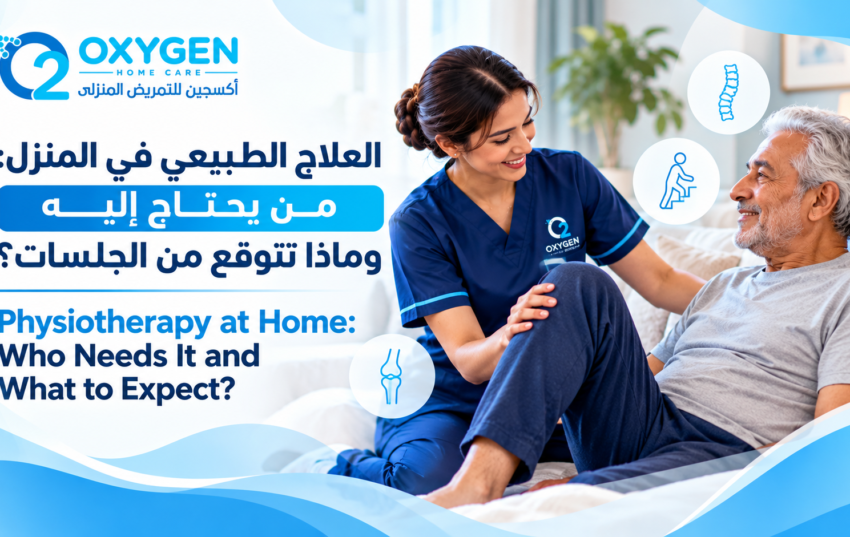
Physiotherapy at Home in Dubai: 7 Essential Benefits
Physiotherapy at Home in Dubai: 7 Essential Benefits & What to Expect
Physiotherapy at home in Dubai offers a convenient and personalised way to improve mobility, rebuild strength, manage movement-related difficulties, and support recovery without regularly travelling to a rehabilitation clinic.
Whether you are recovering from surgery, helping an elderly parent regain mobility, or managing a long-term condition, professional physiotherapy can play an important role in improving everyday function.
However, not every patient requires the same treatment. Understanding who benefits from physiotherapy at home in Dubai, what happens during sessions, and how rehabilitation plans are developed can help families make informed healthcare decisions.
At Oxygen Home Healthcare, we provide professional home healthcare services designed around each patient’s condition, comfort, and individual needs.
This guide explains who needs home physiotherapy, seven important benefits, what to expect during treatment, and how to choose appropriate rehabilitation support.
What Is Physiotherapy at Home?
Physiotherapy at home is a professional rehabilitation service provided by a qualified physiotherapist in the patient’s home.
It focuses on improving movement, muscle strength, balance, flexibility, and physical function through individually selected therapeutic techniques.
Depending on the patient’s condition, home physiotherapy services may include:
- Therapeutic exercises and stretching.
- Muscle strengthening and balance training.
- Joint mobility exercises.
- Walking and movement rehabilitation.
- Post-surgery rehabilitation.
- Rehabilitation following certain injuries.
- Pain management techniques.
- Education about safer daily movement.
According to the NHS, physiotherapy can help people affected by injuries, illnesses, disabilities, and movement-related problems.
The appropriate treatment depends on professional assessment and individual medical needs.
Who Needs Physiotherapy at Home in Dubai?
Several patient groups may benefit from physiotherapy at home in Dubai, particularly when travelling to a rehabilitation facility is difficult.
1. Patients Recovering After Surgery
Post-surgery physiotherapy at home may help suitable patients regain movement and strength following knee replacement, hip replacement, or other orthopaedic procedures.
Rehabilitation may include joint mobility exercises, muscle strengthening, balance training, and gradual walking practice.
Treatment must follow the surgeon’s recommendations and any postoperative precautions.
2. Elderly Patients With Mobility Difficulties
Physiotherapy for elderly patients at home may benefit older adults experiencing muscle weakness, balance difficulties, joint stiffness, or reduced mobility.
Individualised exercises can support safer movement and greater confidence during everyday activities.
Elderly patients requiring additional medical assistance may also benefit from Oxygen’s Elderly Care services.
Families exploring continuous support can read our guide, 24 Hour Elderly Care at Home: When Is It Needed?.
3. Patients Recovering From Stroke
Stroke rehabilitation at home may support selected patients experiencing weakness, impaired coordination, or difficulties with walking.
A physiotherapist may provide balance exercises, supported movement training, and activities designed to improve functional independence.
Stroke rehabilitation should follow an appropriate medical assessment and may require additional specialist services.
4. People Recovering From Injuries
Certain fractures, ligament injuries, muscle strains, and sports injuries may require rehabilitation.
Physical therapy at home can help suitable patients gradually restore strength, flexibility, and movement.
The rehabilitation programme should reflect the injury, healing stage, and medical recommendations.
5. Patients With Chronic Musculoskeletal Conditions
People experiencing arthritis, persistent back pain, joint stiffness, or other musculoskeletal problems may benefit from structured physiotherapy.
Treatment may focus on improving movement, strengthening supporting muscles, and managing functional limitations.
6. Patients With Neurological Conditions
Some patients with Parkinson’s disease, multiple sclerosis, or other neurological conditions experience difficulties with balance and mobility.
When appropriate, home physiotherapy may support movement, coordination, and everyday physical function.
7. Patients With Reduced Mobility After Hospitalisation
Prolonged hospitalisation may contribute to muscle weakness and reduced physical endurance.
Following medical clearance, home rehabilitation services may help patients gradually rebuild strength and mobility.
Patients requiring medication administration, wound care, or medical monitoring may also need professional home nursing services.
Learn more in our article, What Is Home Nursing?.
7 Essential Benefits of Physiotherapy at Home
When clinically appropriate, physiotherapy at home in Dubai offers several practical advantages.
1. Convenient Access to Rehabilitation
Patients can receive professional physiotherapy without travelling to a clinic for every appointment.
This is particularly helpful for individuals recovering from surgery or experiencing mobility limitations.
2. Personalised Treatment Plans
A qualified physiotherapist develops exercises and rehabilitation activities based on the patient’s condition, abilities, and recovery goals.
3. Rehabilitation in a Familiar Environment
Receiving treatment at home allows patients to practise movement in surroundings they know.
Physiotherapists can also address practical challenges such as getting out of bed, standing safely, or walking between rooms.
4. Improved Mobility and Strength
Appropriate therapeutic exercises may help improve muscle strength, joint mobility, balance, and physical function.
Progress varies according to the patient’s condition and response to treatment.
5. Support for Everyday Independence
Rehabilitation can focus on functional activities such as standing, walking, changing positions, and moving safely around the home.
6. Greater Family Involvement
When appropriate, family members can learn how to support prescribed exercises and encourage safe movement between sessions.
7. Flexible Rehabilitation Arrangements
Home physiotherapy services can be scheduled according to the patient’s rehabilitation requirements and the provider’s availability.
The frequency and duration of treatment should be determined through professional assessment.
What to Expect During a Physiotherapy Session at Home
Patients booking physiotherapy at home in Dubai can generally expect a structured rehabilitation process.
Step 1: Initial Assessment
The physiotherapist reviews the patient’s medical history, symptoms, physical limitations, and rehabilitation goals.
The assessment may include muscle strength, joint movement, balance, walking ability, and relevant medical precautions.
Step 2: Individualised Treatment Plan
Following assessment, the physiotherapist recommends a rehabilitation programme suited to the patient’s condition.
The plan may include therapeutic exercises, functional movement training, and appropriate treatment frequency.
Step 3: Guided Rehabilitation Exercises
During each session, the physiotherapist supervises exercises designed to improve movement, strength, flexibility, or balance.
Exercises should be adjusted to the patient’s abilities and clinical condition.
Step 4: Home Exercise Instructions
Patients may receive instructions for safe exercises between appointments.
These should be performed according to professional guidance.
Step 5: Progress Evaluation
The physiotherapist monitors functional improvements and adjusts treatment according to the patient’s progress.
Physiotherapy at Home vs Clinic: Which Is Better?
Both home-based and clinic-based physiotherapy can support rehabilitation when appropriately selected.
| Physiotherapy at Home | Physiotherapy at a Clinic |
|---|---|
| Treatment in the patient’s home | Treatment in a healthcare facility |
| Reduces travel requirements | Requires clinic visits |
| Focuses on real-life movement challenges | May offer specialised equipment |
| Suitable for selected mobility limitations | May suit more complex rehabilitation needs |
| Personalised treatment | Personalised treatment |
The best setting depends on the patient’s medical condition, rehabilitation goals, and equipment requirements.
Why Choose Oxygen for Physiotherapy at Home in Dubai?
Choosing a reliable healthcare provider is an important part of successful rehabilitation planning.
Families comparing the best physiotherapy at home in Dubai should consider professional qualifications, individualised treatment, experience, and communication.
With more than 11 years of experience supporting patients across the UAE, Oxygen Home Healthcare has become a leading choice for families seeking professional home nursing and personalised home healthcare services.
For those searching for the best home nursing company in Dubai, Oxygen combines experienced healthcare professionals, personalised care arrangements, and a patient-focused approach.
Our philosophy is simple:
Professional Healthcare + Human Care + Comfort of Home.
Licensed Physiotherapy Professionals
Oxygen provides home physiotherapy through licensed physiotherapists, with treatment tailored to individual rehabilitation needs.
Personalised Rehabilitation Support
Each rehabilitation programme focuses on the patient’s physical condition, mobility limitations, and recovery goals.
Comprehensive Home Healthcare Services
Alongside physiotherapy, Oxygen offers home nursing, elderly care, and newborn and baby care.
This allows families to explore different healthcare services according to their needs.
Learn more about Oxygen’s Physiotherapy Care or read our guide to Home Healthcare in UAE.
How Much Does Physiotherapy at Home Cost in Dubai?
The cost of physiotherapy at home in Dubai depends on several factors:
- Patient’s medical condition.
- Session duration.
- Rehabilitation complexity.
- Recommended treatment frequency.
- Service location.
- Overall treatment requirements.
Patients should request an individual assessment and quotation.
Insurance coverage, where applicable, depends on the policy, medical eligibility, and insurer requirements.
Frequently Asked Questions About Physiotherapy at Home
1. Is physiotherapy at home effective?
Home physiotherapy can support rehabilitation when treatment is clinically appropriate, professionally supervised, and followed consistently. Results vary between patients.
2. Who needs physiotherapy at home?
Patients recovering from surgery or injury, older adults with reduced mobility, and some individuals with neurological or chronic conditions may benefit.
3. How often should I have home physiotherapy?
Session frequency depends on the patient’s condition, treatment goals, and professional assessment.
4. Can elderly patients receive physiotherapy at home?
Yes. Suitable elderly patients may receive personalised rehabilitation to improve strength, balance, and mobility.
5. Can physiotherapy help after knee replacement?
Yes. Physiotherapy may support mobility and strength after knee replacement when performed according to the surgeon’s recommendations.
6. Can I book a physiotherapist at home in Dubai?
Yes. Oxygen offers physiotherapy at home in Dubai through licensed physiotherapists. Contact the team to confirm availability and suitable treatment arrangements.
Conclusion: Start Your Rehabilitation Journey at Home
Physiotherapy at home in Dubai can provide convenient, personalised rehabilitation for patients recovering from surgery, managing mobility difficulties, or requiring professional movement support.
The right treatment plan depends on the patient’s medical condition, physical abilities, and recovery goals.
At Oxygen Home Healthcare, we combine professional healthcare experience with personalised attention and the comfort of home.
Contact Oxygen Home Healthcare to discuss your rehabilitation needs and request information about suitable home physiotherapy services.
Medical Disclaimer: This article provides general educational information and does not replace medical advice, diagnosis, or treatment. Patients experiencing emergency symptoms should seek immediate medical attention.
Categories
Recent Posts
Home Physiotherapy for Elderly: 7 Essential Benefits
Physiotherapy at Home in Dubai: 7 Essential Benefits
Baby Nursing Care at Home: 7 Signs Your Baby Needs Professional Support
Newborn Care at Home: 7 Signs Your Baby Needs a Nurse