

Category Oxygen
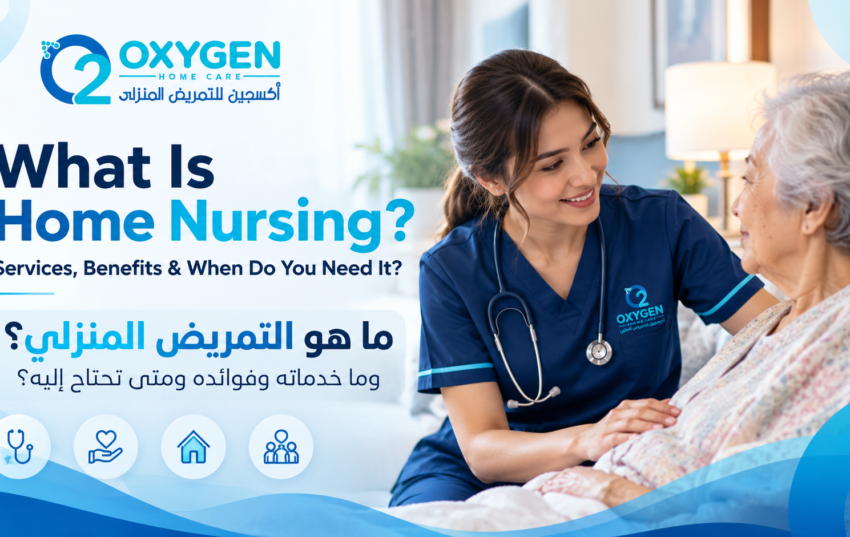
What Is Home Nursing? Services, Benefits & When Do You Need It?
What Is Home Nursing? Services, Benefits & When Do You Need It?
When a patient needs professional nursing support, receiving appropriate care does not always mean staying in a hospital. Depending on the person’s condition and medical requirements, some nursing needs can be managed safely and professionally at home.
This is where home nursing can play an important role.
Professional nursing care at home can support elderly people, adults recovering after hospitalization or surgery, children with ongoing healthcare needs, and patients who require regular monitoring or assistance with daily nursing requirements.
But what is home nursing, what services can it include, and how do you know when professional nursing support at home may be appropriate?
What Is Home Nursing?
Home nursing is professional nursing care provided to a patient in their own home by qualified healthcare professionals.
The purpose is to provide appropriate nursing support while allowing the patient to remain in a familiar environment.
The exact type of care varies from one patient to another. A person recovering after an operation, for example, may have very different requirements from an elderly patient with limited mobility or a child who needs ongoing nursing support.
For this reason, professional care should be based on the patient’s individual condition, healthcare requirements, medical instructions, mobility, age, and level of assistance needed.
What Do Home Nursing Services Include?
There is no single care plan that applies to every patient.
Depending on the patient’s condition, home nursing services may include different forms of professional support.
1. Vital Signs Monitoring
Some patients require regular monitoring of vital signs such as blood pressure, temperature, pulse, and oxygen saturation.
A qualified nurse can perform the required observations according to the patient’s care needs and help ensure that relevant changes are identified and communicated appropriately.
This may be particularly useful for patients who need continued monitoring after hospitalization or who have ongoing healthcare requirements.
2. Medication Support
Following a prescribed medication schedule can become more difficult when a patient takes multiple medications or requires assistance managing daily routines.
Professional nursing support may include helping the patient follow the medication plan prescribed by their healthcare provider.
The nurse does not replace the treating physician or independently change prescribed treatment. Instead, nursing support helps ensure that the established care plan is followed appropriately.
3. Post-Operative Nursing Care
Leaving the hospital does not always mean that the patient’s recovery is complete.
Some people continue to need nursing assistance during the recovery period after surgery.
Depending on medical instructions, this may involve monitoring the patient’s general condition, supporting prescribed care routines, assisting with mobility, and helping the patient manage appropriate day-to-day nursing needs during recovery.
Receiving this support at home can allow the patient to continue recovering in familiar surroundings while maintaining professional nursing supervision.
4. Mobility and Positioning Support
Patients with reduced mobility may require assistance moving safely, changing position, transferring between a bed and chair, or completing certain daily activities.
This can apply to elderly people, patients recovering from surgery, people with paralysis or mobility limitations, and individuals whose health conditions make independent movement difficult.
Appropriate assistance can form an important part of the patient’s overall nursing plan.
5. Feeding and Daily Nursing Support
Some patients require additional assistance with feeding and other daily nursing needs.
The level of support depends on the person’s condition and should be provided according to the appropriate care plan and medical requirements.
Patients with more complex feeding requirements or medical devices may require specialized nursing assessment and a higher level of professional care.
6. Support for Chronic and Complex Conditions
Living with a chronic or complex health condition can create ongoing nursing requirements.
Some patients may need regular monitoring, mobility assistance, feeding support, medication-related assistance, or help following a longer-term care plan.
In these situations, professional nursing care at home can provide structured support based on the patient’s individual needs.
Who Can Benefit from Home Nursing?
Professional nursing at home is not limited to one age group or one type of medical condition.
Different patients may benefit depending on their healthcare requirements.
Elderly Patients
Older adults may require nursing support because of reduced mobility, chronic health conditions, recovery after hospitalization or surgery, cognitive conditions, or increasing difficulty managing healthcare needs independently.
Professional care at home can help provide the required nursing assistance while allowing the elderly person to remain in familiar surroundings.
More complex elderly cases may require specialized nursing plans and closer professional supervision.
Adults Recovering After Surgery or Hospitalization
The period following hospital discharge can be an important stage of recovery.
Some patients are medically ready to leave the hospital but still require assistance with monitoring, mobility, prescribed routines, or other nursing requirements.
Professional care at home can help support this transition.
Children with Nursing Requirements
Children may also require professional nursing support because of a medical condition, mobility limitation, ongoing treatment, or other healthcare needs.
The nursing plan should reflect the child’s age, condition, medical instructions, and specific requirements rather than applying a standard approach.
Patients Requiring Longer-Term Support
Some conditions require care over a longer period.
When patients need continuing nursing assistance, professional support at home can help families maintain a structured care routine based on the patient’s changing needs.
Home Nurse vs Caregiver: What Is the Difference?
Families sometimes use the terms nurse and caregiver interchangeably, but they are not the same.
A caregiver generally focuses on personal assistance and support with everyday activities.
A home nurse, however, is a qualified healthcare professional whose responsibilities involve professional nursing care according to the patient’s healthcare needs and care plan.
This distinction is especially important when a patient requires clinical observations, professional nursing procedures, medication-related support, post-operative care, or management of more complex healthcare requirements.
If the person’s needs are primarily medical or nursing-related, families should seek an appropriately qualified healthcare professional rather than treating general caregiving as a substitute for nursing care.
What Are the Benefits of Home Nursing?
When care at home is appropriate for the patient’s condition, it can provide several practical advantages.
Care in a Familiar Environment
Home allows patients to remain close to their family and familiar daily surroundings.
This can be particularly valuable for elderly people, children, patients requiring longer-term assistance, and individuals recovering after hospitalization.
Care Based on Individual Needs
Different patients require different levels of support.
Professional nursing care can be organized around factors such as the patient’s condition, mobility, medication schedule, monitoring requirements, feeding needs, and medical instructions.
This creates a more individualized approach than assuming that every patient requires the same type of assistance.
Professional Support for Families
Family members often play an important role in supporting a patient, but some healthcare requirements need professional nursing knowledge.
Having qualified nursing support at home helps ensure that professional tasks are handled by an appropriate healthcare provider while the family remains involved in the patient’s overall support.
Continuity After Hospital Discharge
A patient may leave the hospital while still requiring ongoing assistance.
Home-based nursing can help support continuity between the medical recommendations provided during treatment and the patient’s everyday care after returning home.
Flexible Care According to the Patient’s Condition
Not every patient requires the same duration or level of nursing assistance.
Some people may need support during a temporary recovery period, while others may require longer-term care.
The appropriate arrangement should therefore be determined according to the patient’s actual healthcare needs.
When Do You Need Home Nursing?
There is no universal rule that determines when every patient should receive nursing care at home.
However, professional support may be considered when a patient:
- Needs continued nursing assistance after hospitalization or surgery.
- Requires regular monitoring of vital signs.
- Needs professional support following a prescribed medication routine.
- Has limited mobility and requires assistance with movement or positioning.
- Requires feeding or other ongoing nursing assistance.
- Is an elderly person with increasing healthcare requirements.
- Lives with a chronic or complex condition requiring regular nursing support.
- Is a child with ongoing medical or nursing needs.
- Requires professional care that family members cannot safely or practically provide themselves.
For patients with complex healthcare requirements, the appropriate level of care should be determined based on professional assessment and the recommendations of the treating healthcare team.
How Is a Home Nursing Care Plan Determined?
Good nursing care should start with the patient rather than with a standard package of services.
Before determining the appropriate level of support, several factors may need to be considered, including:
- The patient’s current health condition.
- Age and mobility.
- Medical history and current treatment.
- Medication requirements.
- Feeding requirements.
- Medical devices, when applicable.
- Daily nursing needs.
- Recommendations from the treating healthcare professionals.
- The expected duration and frequency of care.
Based on these factors, the appropriate nursing schedule and level of professional supervision can be planned.
The care requirements may also change over time, which means the plan may need to be reviewed as the patient’s condition develops.
Home Nursing in the UAE
When choosing home nursing in the UAE, families should look beyond general assistance and consider whether the provider can meet the patient’s actual healthcare requirements.
Professional nursing care should be delivered by appropriately qualified healthcare professionals and provided according to applicable healthcare requirements.
This is particularly important for patients who require ongoing monitoring, post-operative support, specialized nursing assistance, or care for more complex health conditions.
Oxygen Home Healthcare provides professional home healthcare and nursing support for patients in Dubai, Abu Dhabi, and Al Ain.
With more than 11 years of experience in home healthcare, Oxygen focuses on providing professional care according to each patient’s individual condition and nursing requirements.
In Dubai, home healthcare services are regulated under standards established by the Dubai Health Authority (DHA) to support safe, appropriate, and high-quality care in the home setting.
Frequently Asked Questions About Home Nursing
What is home nursing?
Home nursing is professional nursing care delivered to a patient in their own home by qualified healthcare professionals. The exact services depend on the patient’s condition and individual healthcare requirements.
Is home nursing only for elderly people?
No. Professional nursing care at home may be appropriate for elderly people, adults, children, patients recovering after hospitalization or surgery, and individuals with ongoing healthcare needs.
Can a home nurse provide post-operative care?
Depending on the patient’s condition and medical instructions, a qualified nurse may provide appropriate support during recovery after surgery, including monitoring and assistance with prescribed nursing routines.
Is a home nurse the same as a caregiver?
No. A home nurse is a qualified healthcare professional providing nursing care. A caregiver generally provides personal assistance and support with everyday activities. The appropriate option depends on whether the patient’s needs are primarily nursing-related or general personal support.
Can patients receive long-term nursing care at home?
Yes. Some patients with chronic or complex conditions may require longer-term professional nursing support. The duration and level of care should be determined according to the patient’s individual healthcare needs.
Where does Oxygen provide home nursing services?
Oxygen Home Healthcare provides professional home healthcare services across Dubai, Abu Dhabi, and Al Ain, depending on the patient’s required service and care assessment.
Choosing Professional Nursing Care at Home
Understanding what home nursing is can help families make a clearer distinction between general assistance and professional healthcare support.
The right type of care depends on the patient’s condition, not simply their age or the number of hours of assistance they require.
For some patients, the need may be temporary support during recovery. For others, it may involve ongoing monitoring or longer-term nursing assistance.
Oxygen Home Healthcare provides professional nursing care tailored to individual patient requirements, helping families access appropriate healthcare support in the comfort of home.
Oxygen — Expert Home Healthcare — Always There.
Categories
Recent Posts
Baby Nursing Care at Home: 7 Signs Your Baby Needs Professional Support
Newborn Care at Home: 7 Signs Your Baby Needs a Nurse
24 Hour Elderly Care at Home: When Is It Needed?
Elderly Care at Home: When Is Nursing Needed?